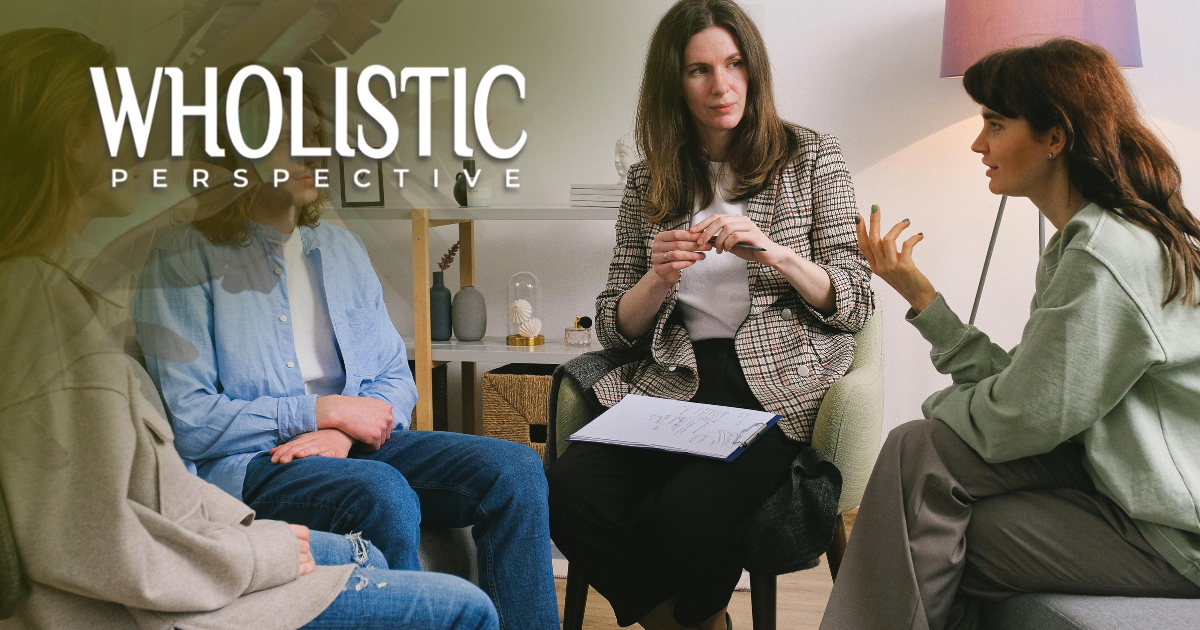



Can You Trust Mental Health Advice Online? What Patients Get Wrong

Wholistic Perspective • March 24, 2026

Mental health advice is more accessible than ever—but not all of it is reliable. From social media to blogs and AI tools, it can be hard to know what to trust. This guide breaks down how to evaluate online mental health information and when it’s important to seek more personalized support.

It’s common to turn to the internet when you’re trying to understand how you’re feeling. While some information can be helpful, it’s important to recognize the limits of generalized advice—especially when it comes to mental health.

The Problem With Online Advice

Not all online mental health advice is created equal. Some content is oversimplified, taken out of context, or not based on clinical understanding.


Many patients:

  • Self-diagnose
  • Lock into one idea
  • Expect specific treatments

Why This Can Be Harmful

When advice doesn’t account for your unique situation, it can lead to misunderstandings, delayed care, or frustration if something doesn’t work the way you expected. This can:

  • Lead to misdiagnosis
  • Limit treatment options
  • Create bias before seeing a provider

How to Tell If Mental Health Advice Is Credible

When evaluating online content, a few key factors can help you determine whether it’s reliable:

  • Is the source a licensed professional or reputable organization?
  • Does the content acknowledge that everyone’s experience is different?
  • Are claims balanced, or do they sound overly certain or absolute?
  • Does it encourage seeking personalized support when needed?

A Bigger Concern: AI “Therapy”

AI tools can provide general information and support, but they are not a replacement for personalized care from a trained professional. AI tools are designed to:

  • Agree with you
  • Validate your thinking


But real therapy:

  • Challenges you
  • Helps you grow


While these tools can be a helpful starting point, they don’t have the full context of your experiences, history, or needs.

When Online Advice Can Be Helpful

Not all online mental health content is harmful. In many cases, it can be a useful starting point:

  • Learning about common symptoms or conditions
  • Exploring different therapy approaches
  • Finding questions to ask a provider
  • Feeling less alone in your experiences 

Better Sources of Information

If you’re looking for reliable information, consider sources that are transparent, educational, and grounded in clinical experience:

  • Licensed providers or established practices
  • Reputable organizations (e.g., mental health nonprofits)
  • Content that explains—not oversimplifies—mental health topics
  • Providers who offer consultations to answer individual questions 

Common Misconceptions About Online Mental Health Advice

Myths Facts
Myth: If it helps others, it will work for me Fact: Mental health is highly individual—what works for one person may not work for another
Myth: More information always leads to better outcomes Fact: Too much information can sometimes increase confusion or anxiety
Myth: Online tools can replace professional care Fact: They can support learning, but not replace personalized treatment

Final Takeaway

Online mental health advice can be a helpful starting point—but it works best when combined with personalized support. The goal isn’t to avoid information, but to use it thoughtfully and know when to take the next step.

Frequently Asked Questions

  • Is TikTok mental health advice reliable?

    Some content can be helpful, but much of it is simplified or lacks context. It’s important to consider the source and remember that short-form content can’t fully capture individual experiences.

  • Should I research before seeing a provider?

    Yes—learning about your symptoms or treatment options can be helpful. Just keep in mind that online information is general, and a provider can help you apply it to your specific situation.

  • What’s the best source?

    The most reliable information typically comes from licensed professionals, established organizations, and providers who offer clear, balanced, and personalized guidance.

Ready to take the next step?

Our team is here when you're ready.

Esha and the Chamber of Commerce team cutting the ribbon for Wholistic Perpsective's grand opening
By Wholistic Perspective • October 15, 2026
Wholistic Perspective celebrated its ribbon cutting in Cheshire, CT with the Cheshire Prospect Chamber of Commerce, local neighbors, coffee, and pastries.

Esha and Carrie at the WISE Sober Southington Kickball Game
By Wholistic Perspective • October 1, 2026
See how Wholistic Perspective connected with neighbors at a local community wellness event through a simple, meaningful marble jar activity.

A healthcare provider having a supportive conversation with a patient about medication.
By Yolanda Stanley • September 8, 2026
Benzodiazepines can help with severe anxiety, panic, or sleep problems, but carry real risks. Learn how to use them safely. From Wholistic Perspective.

A woman walking briskly along a sunlit park path surrounded by green trees.
By Yolanda Stanley • September 2, 2026
Learn how exercise affects anxiety and brain health, how much activity actually helps, and how to get started safely. From Wholistic Perspective.
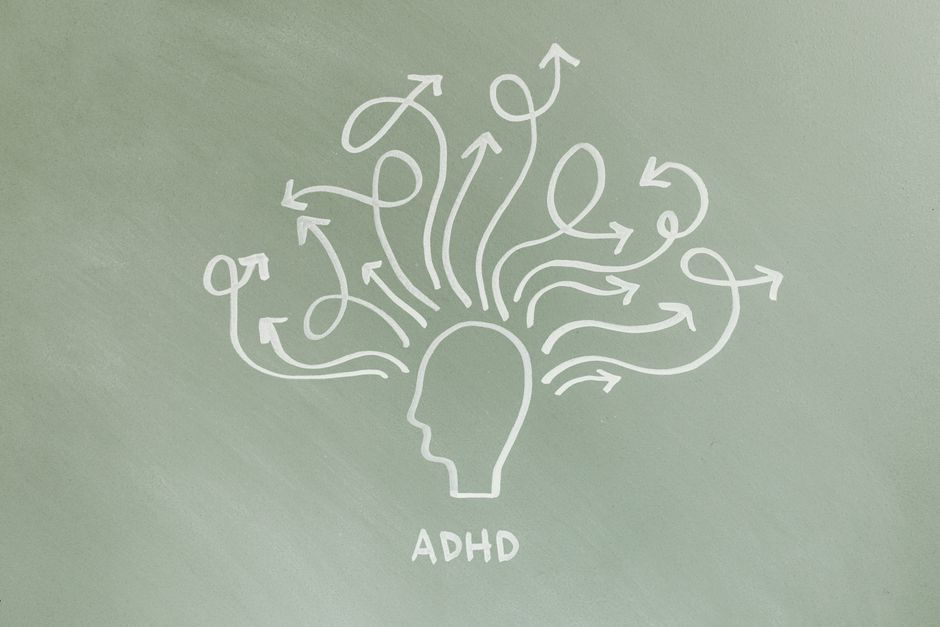
By Yolanda Stanley • August 27, 2026
Adult ADHD is a treatable condition, not a lack of discipline. Learn the signs, how it's diagnosed, and the medication and therapy options that help adults manage it.
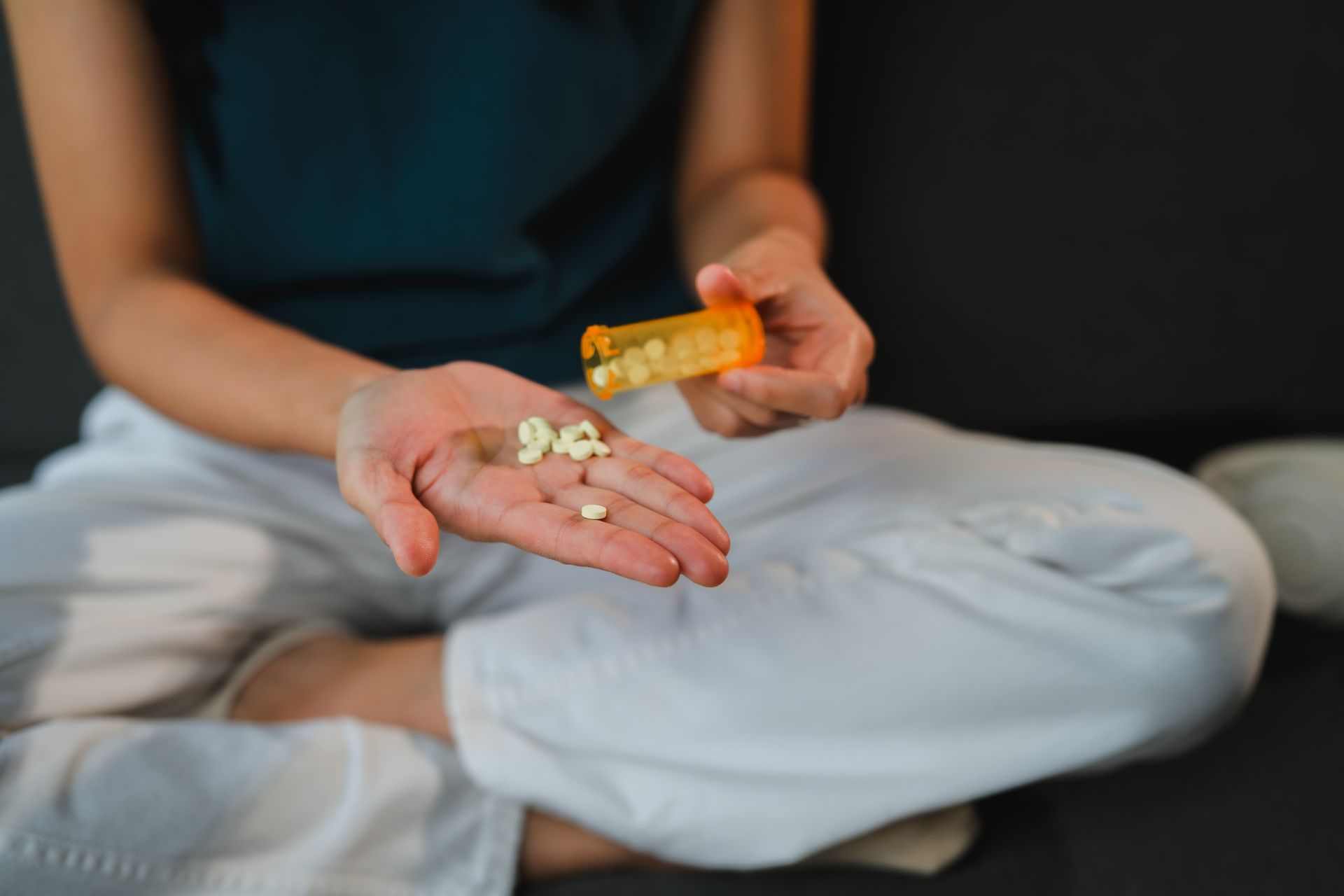
By Yolanda Stanley • August 21, 2026
Missing doses or stopping medication abruptly can cause withdrawal symptoms that mimic your original condition. Learn why consistency matters and how to safely taper off with your care provider.

By Yolanda Stanley • August 21, 2026
Why medications like Zoloft take 6-8 weeks to work, what side effects are normal, and how to stay the course while your antidepressant takes effect.
By Lauren Mahoney • August 19, 2026
Wholistic Perspective Featured in CT Insider 

Four people sit in a circle in a brightly lit room for a group therapy or discussion session under the text
By Wholistic Perspective • March 24, 2026
Learn more about how to choose the right mental health provider & what questions to ask. By Wholistic Perspective.
Show More