


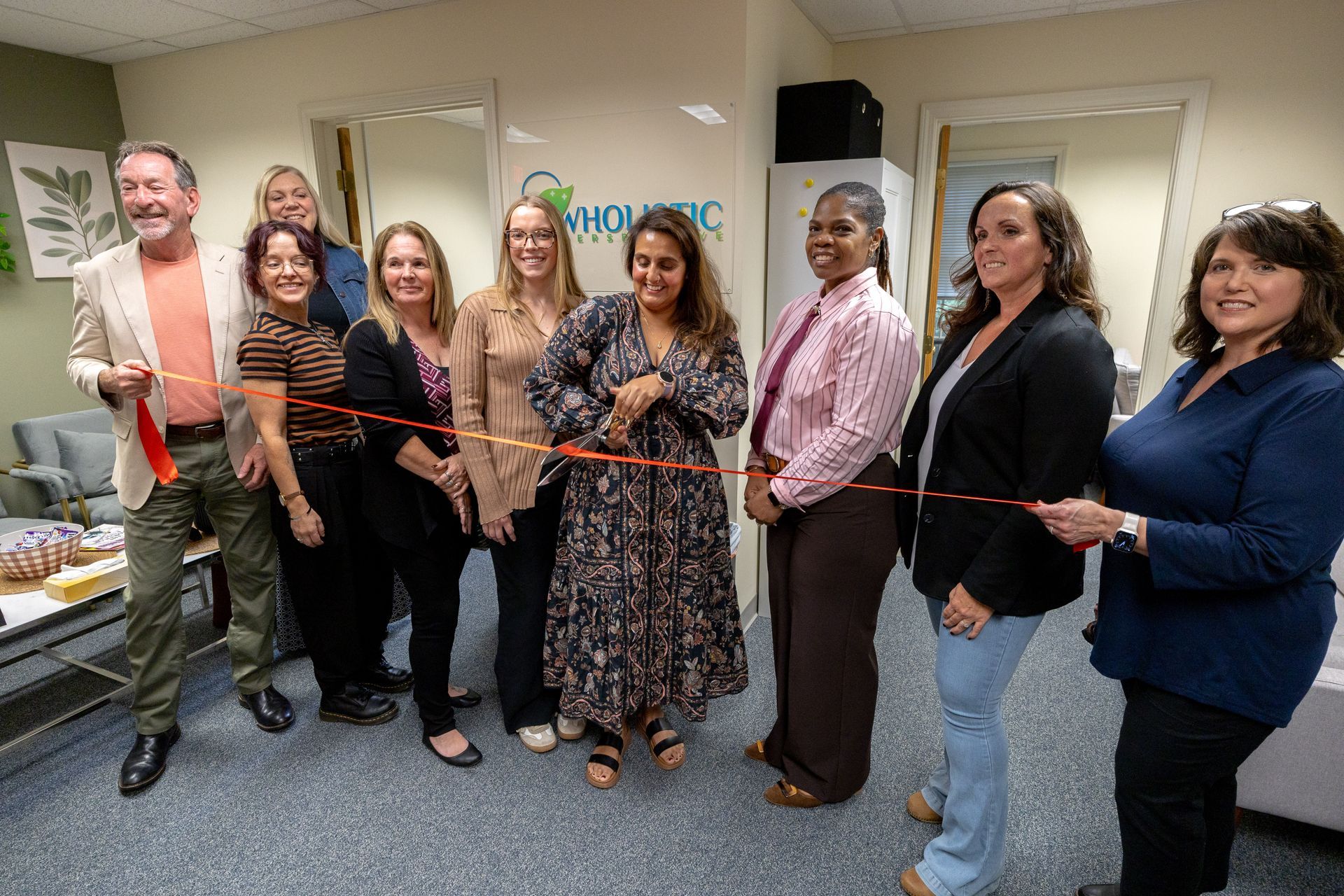
Wholistic Perspective celebrated its ribbon cutting in Cheshire, CT with the Cheshire Prospect Chamber of Commerce, local neighbors, coffee, and pastries.
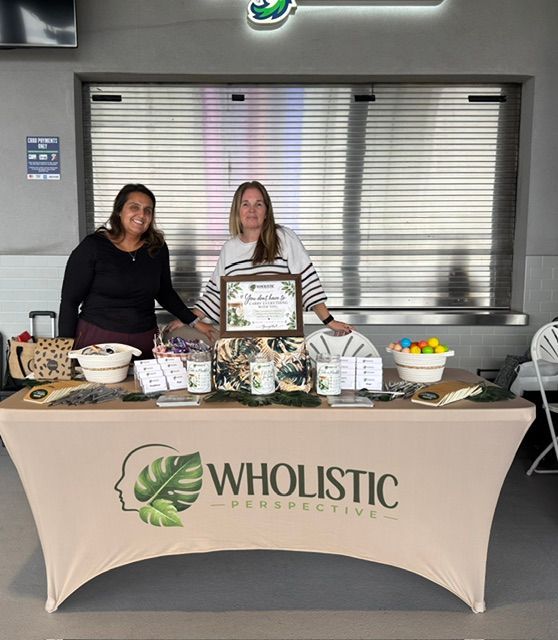
See how Wholistic Perspective connected with neighbors at a local community wellness event through a simple, meaningful marble jar activity.

Benzodiazepines can help with severe anxiety, panic, or sleep problems, but carry real risks. Learn how to use them safely. From Wholistic Perspective.

Learn how exercise affects anxiety and brain health, how much activity actually helps, and how to get started safely. From Wholistic Perspective.
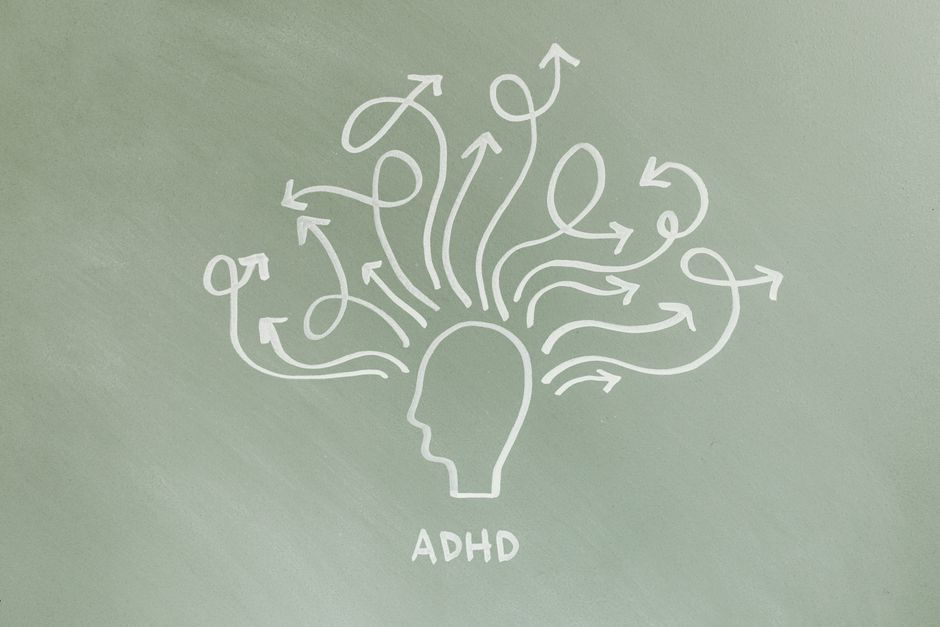
Adult ADHD is a treatable condition, not a lack of discipline. Learn the signs, how it's diagnosed, and the medication and therapy options that help adults manage it.

Missing doses or stopping medication abruptly can cause withdrawal symptoms that mimic your original condition. Learn why consistency matters and how to safely taper off with your care provider.

Why medications like Zoloft take 6-8 weeks to work, what side effects are normal, and how to stay the course while your antidepressant takes effect.
Wholistic Perspective Featured in CT Insider

A Community Gathering with Purpose

Learn more about how to choose the right mental health provider & what questions to ask. By Wholistic Perspective.