



Is Spravato Better Than Antidepressants or Therapy Alone?

Wholistic Perspective • March 23, 2026

Is Spravado Better Than Antidepressants Or Therapy Alone?

If you’re exploring treatment options for depression, you may be wondering how Spravato compares to antidepressants or therapy alone. The answer isn’t about one being “better” than the others—it’s about understanding when each option is most helpful, and how they can work together.

Spravato is often considered when traditional approaches haven’t provided enough relief. Understanding where it fits in the broader treatment landscape can help you make a more informed decision.

Where Spravato Fits?

Spravato is not typically a first-line treatment. It’s most often used as part of a broader plan for individuals who haven’t responded fully to standard approaches like:

  • Treatment-resistant depression
  • When antidepressants haven’t provided sufficient relief
  • As part of a combined care approach

Spravato vs. Traditional Antidepressants: Key Differences

Spravato Antidepressants
Works on different brain pathways (glutamate system) Typically targets serotonin or similar pathways
Often used after other treatments haven’t worked Common first-line treatment
Administered in a clinical setting Taken at home daily
May work more quickly for some patients Often takes several weeks to feel effects

Compared to Antidepressants

Compared to traditional antidepressants, Spravato offers a different mechanism and treatment experience.

Compared to Therapy

Therapy and Spravato serve different but complementary roles in mental health care.


While therapy focuses on long-term skills and emotional processing, Spravato may help reduce symptom intensity enough to engage more fully in that work.

Can Spravato Replace Therapy or Medication?

Spravato is not intended to replace therapy or other treatments. It’s typically used alongside ongoing care to provide more comprehensive support.


Many patients benefit most from a combination of:

  • Medication management
  • Therapy
  • Spravato (when appropriate)

Compared to Older Options

Compared to older or more traditional approaches, Spravato offers a newer option for individuals who haven’t responded to standard treatments.

When It’s Recommended

Spravato may be considered in situations where:

  • Depression hasn’t improved with other treatments
  • Symptoms are persistent or severe
  • Additional support is needed beyond therapy or medication alone 

How to Know What's Right for You

Choosing the right approach depends on your individual experience, history, and goals.


You might consider:

  • Therapy if you’re looking to build coping skills and insight
  • Medication if symptoms are affecting daily functioning
  • Spravato if previous treatments haven’t been effective


A provider can help you evaluate these options and create a plan that fits your needs.

Final Takeaway

Spravato isn’t about being “better” than antidepressants or therapy—it’s about being appropriate for certain situations. The most effective approach is often one that’s personalized and combines multiple forms of support.

Frequently Asked Questions

  • Is Spravato stronger than antidepressants?

    It works differently, not necessarily “stronger.”

  • Is it a last resort?

    Often used after multiple treatments fail.

  • Can I combine treatments?

    Yes, often recommended.

Ready to take the next step?

Our team is here when you're ready.

Esha and the Chamber of Commerce team cutting the ribbon for Wholistic Perpsective's grand opening
By Wholistic Perspective • October 15, 2026
Wholistic Perspective celebrated its ribbon cutting in Cheshire, CT with the Cheshire Prospect Chamber of Commerce, local neighbors, coffee, and pastries.

Esha and Carrie at the WISE Sober Southington Kickball Game
By Wholistic Perspective • October 1, 2026
See how Wholistic Perspective connected with neighbors at a local community wellness event through a simple, meaningful marble jar activity.
A healthcare provider having a supportive conversation with a patient about medication.
By Yolanda Stanley • September 8, 2026
Benzodiazepines can help with severe anxiety, panic, or sleep problems, but carry real risks. Learn how to use them safely. From Wholistic Perspective.

A woman walking briskly along a sunlit park path surrounded by green trees.
By Yolanda Stanley • September 2, 2026
Learn how exercise affects anxiety and brain health, how much activity actually helps, and how to get started safely. From Wholistic Perspective.
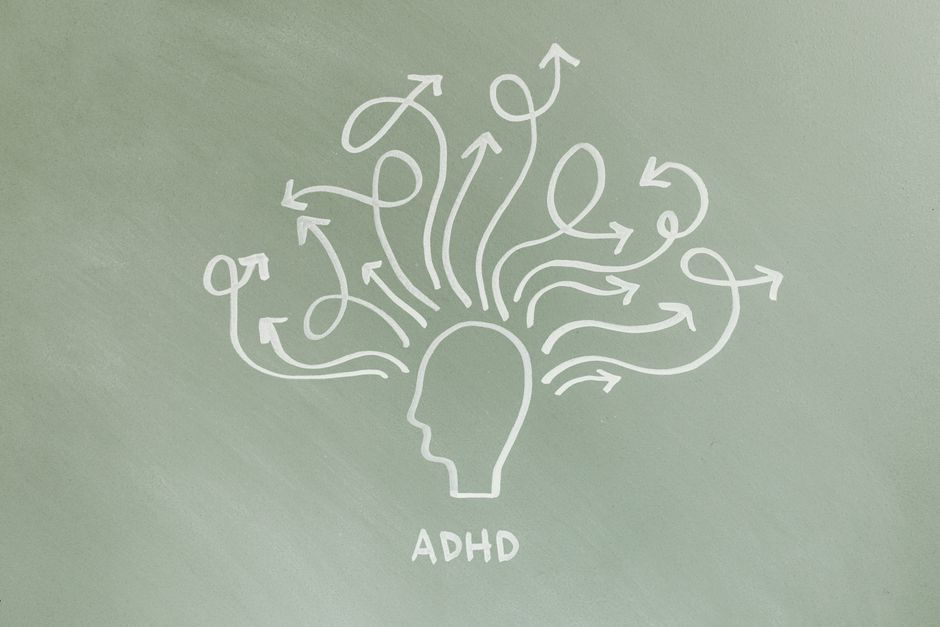
By Yolanda Stanley • August 27, 2026
Adult ADHD is a treatable condition, not a lack of discipline. Learn the signs, how it's diagnosed, and the medication and therapy options that help adults manage it.
By Yolanda Stanley • August 21, 2026
Missing doses or stopping medication abruptly can cause withdrawal symptoms that mimic your original condition. Learn why consistency matters and how to safely taper off with your care provider.

By Yolanda Stanley • August 21, 2026
Why medications like Zoloft take 6-8 weeks to work, what side effects are normal, and how to stay the course while your antidepressant takes effect.

By Lauren Mahoney • August 19, 2026
Wholistic Perspective Featured in CT Insider 

Four people sit in a circle in a brightly lit room for a group therapy or discussion session under the text
By Wholistic Perspective • March 24, 2026
Learn more about how to choose the right mental health provider & what questions to ask. By Wholistic Perspective.
Show More