


Can Exercise Help With Anxiety? How Movement Supports Your Brain

Yolanda Stanley • September 2, 2026

Anxiety doesn't just live in your thoughts — it shows up in your body too. When anxiety flares, areas of the brain involved in fear and threat detection, like the amygdala, can become more active, while your body's stress-response system stays on high alert. It's uncomfortable, and it can feel like something that's happening to you rather than something you have any control over.

One of the most well-researched, accessible tools for helping regulate that stress response is something you already have access to: movement. Regular physical activity can support healthier brain function, improve mood, and help your body respond to stress more effectively. Here's what the research actually shows, and how to start in a way that feels realistic rather than overwhelming.

How Exercise Helps Your Brain and Body

Physical activity doesn't just tire you out — it changes how your brain and body function over time. A few of the specific ways it can help:

  • Improves mood. Physical activity can increase the release and activity of brain chemicals involved in mood and emotional well-being.
  • Supports brain health. Exercise promotes factors such as brain-derived neurotrophic factor (BDNF), which supports brain cells, learning, memory, and neuroplasticity.
  • Helps regulate stress. Regular exercise may help your body respond to stress more effectively and improve regulation of the stress-response system.
  • May improve sleep. Consistent physical activity can support healthier sleep, which matters because poor sleep tends to make anxiety worse.
  • Builds confidence and resilience. Reaching physical activity goals, even small ones, can improve self-efficacy and offer a healthy outlet for managing stress and difficult emotions.

What Type of Exercise Should I Do?

There is no single "best" exercise for anxiety. The most effective type of movement is one that's safe, enjoyable, and realistic for your life and body.

Aerobic Exercise

Walking, jogging, cycling, swimming, and dancing all count. A reasonable goal for many adults is 30–45 minutes, 3–5 days per week, gradually increasing based on your fitness level and health.

Strength Training

Resistance bands, body-weight exercises, weight training, and functional strengthening exercises can be incorporated 2 or more days per week.

Mind-Body Exercise

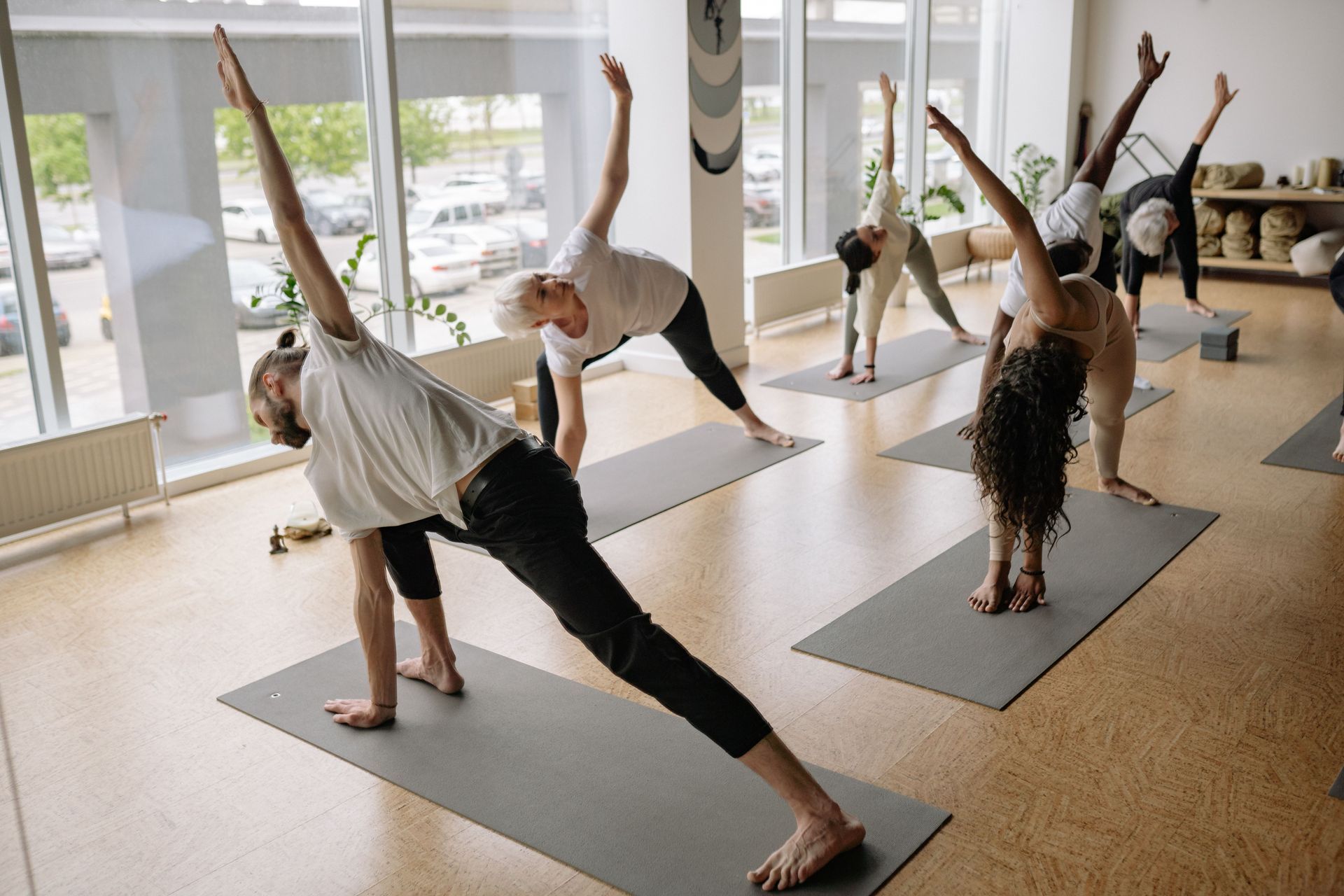
Yoga, tai chi, qi gong, and breathing-focused movement can be especially helpful if you prefer to combine physical activity with relaxation, breathing, and mindfulness.

Start Small

You don't have to exercise for 45 minutes to benefit. Try a 10-minute walk three times a day, or 15–20 minutes of activity a few days a week. The goal is consistency, not perfection.

Can Exercise Replace Anxiety Medication or Therapy?

Not necessarily. Exercise is best viewed as a complementary part of an overall anxiety-treatment plan. Depending on the severity of your symptoms, effective treatment may include psychotherapy, medication, lifestyle changes, or a combination of these approaches.

If you're currently receiving treatment for anxiety, don't stop medication or therapy because you've started exercising. Talk with your provider about how exercise can be incorporated into your treatment plan — that's exactly the kind of conversation we're here to have with you.

The Bottom Line

Small steps can create meaningful changes. Regular movement may help your brain become better equipped to manage stress, improve your mood, and support your overall emotional well-being.

Find something you enjoy. Start where you are. Build gradually. Keep moving.

References

DeBoer, L. B., Powers, M. B., Utschig, A. C., Otto, M. W., & Smits, J. A. J. (2012). Exploring exercise as an avenue for the treatment of anxiety disorders. Expert Review of Neurotherapeutics, 12 (8), 1011–1022. https://doi.org/10.1586/ern.12.73

Stonerock, G. L., Hoffman, B. M., Smith, P. J., & Blumenthal, J. A. (2015). Exercise as treatment for anxiety: Systematic review and analysis. Annals of Behavioral Medicine, 49 (4), 542–556. https://doi.org/10.1007/s12160-014-9685-9

Stubbs, B., Vancampfort, D., Rosenbaum, S., Firth, J., Cosco, T., Veronese, N., Salum, G. A., & Schuch, F. B. (2017). An examination of the anxiolytic effects of exercise for people with anxiety and stress-related disorders: A meta-analysis. Psychiatry Research, 249 , 102–108. https://doi.org/10.1016/j.psychres.2016.12.020

Head-and-shoulders portrait of a person in a navy blazer and white top against a white background.

This article was written by Yolanda Stanley,  PMHNP

Have questions about your medication? Book an appointment with Yolanda today.

By Yolanda Stanley August 27, 2026
Adult ADHD is a treatable condition, not a lack of discipline. Learn the signs, how it's diagnosed, and the medication and therapy options that help adults manage it.

By Yolanda Stanley August 21, 2026
Missing doses or stopping medication abruptly can cause withdrawal symptoms that mimic your original condition. Learn why consistency matters and how to safely taper off with your care provider.

By Yolanda Stanley August 21, 2026
Why medications like Zoloft take 6-8 weeks to work, what side effects are normal, and how to stay the course while your antidepressant takes effect.

By Lauren Mahoney August 19, 2026
Wholistic Perspective Featured in CT Insider 

Four people sit in a circle in a brightly lit room for a group therapy or discussion session under the text
By Wholistic Perspective March 24, 2026
Learn more about how to choose the right mental health provider & what questions to ask. By Wholistic Perspective.

A person in a light green sweater gestures while talking to someone in a plaid shirt. Text reads:
By Wholistic Perspective March 24, 2026
Learn more about the correct ways to seek out mental health advice online, and what sources to trust and not trust. From Wholistic Perspective.
A person in a light green sweatshirt gestures during a conversation, with the text
By Wholistic Perspective March 24, 2026
Learn more about effective strategies and methods to manage depression & anxiety. From Wholistic Perspective.
Two people sit in a living room during an interview, with the text
By Wholistic Perspective March 23, 2026
Worried about Spravato cost? See real pricing with and without insurance, including copays, savings programs, and what most patients actually pay.
A person in a blue shirt rests their hand on another person's shoulder, overlayed with the text
By Wholistic Perspective March 23, 2026
Not sure if you need therapy, medication, or both? Learn how each works, when they’re most effective, and how to choose the right approach for your mental health.
Show More